Categories
Latest blog
When buying outdoor furniture, focus on durability, comfort, weather resistance, maintenance requirements, value for money, and supplier reliability. The right set depends on your space, local climate, and how often you’ll use each piece. A good choice balances long-term performance with a style that fits your outdoor living area.
Climate matters! Materials that perform well in one region may wear out quickly in another.
|
Climate Factor |
Impact on Furniture Materials |
|---|---|
|
Rainfall & Moisture |
Moisture-resistant materials help prevent swelling, mold, decay, and structural issues. |
|
Sunshine & Temperature |
UV-resistant materials reduce fading, cracking, and heat-related damage. |
|
Wind & Storms |
Heavier or secured furniture reduces tipping, sliding, and storm damage. |
|
Climate Type |
Material Suggestions |
|---|---|
|
Humid / Rainy |
Teak, powder-coated aluminum, HDPE wicker, recycled plastic lumber (HDPE) |
|
Hot / Sunny |
Powder-coated aluminum, HDPE, UV-stable synthetic wicker, solution-dyed acrylic or olefin fabrics |
|
Coastal / Salty Air |
Aluminum, high-grade stainless hardware, teak (avoid untreated steel) |
|
Windy |
Wrought iron, dense hardwoods, heavier frames, wide bases, add tie-downs/anchors if needed |
|
Freeze–Thaw Winters |
Recycled plastic lumber (HDPE), powder-coated aluminum, storage + covers for cushions |
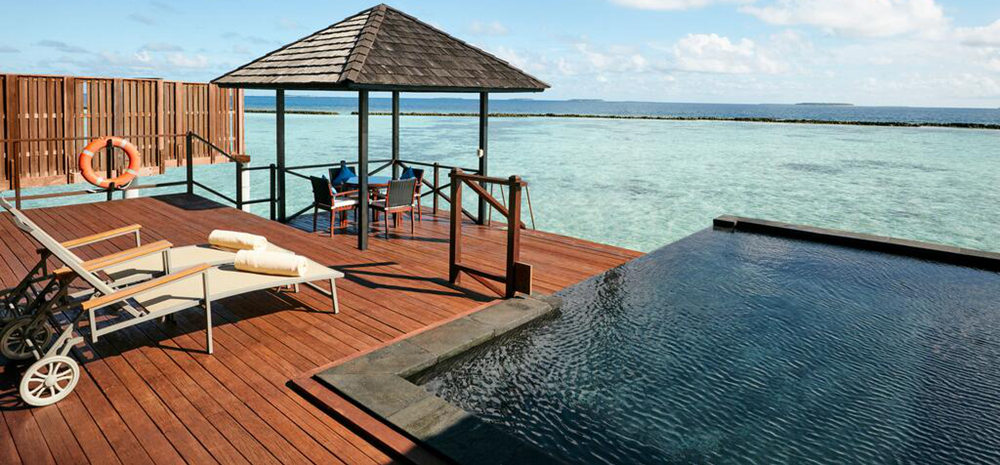
Prioritize durability first. Weather-ready frames like teak, powder-coated aluminum, and HDPE wicker tend to last longer outdoors.
Comfort matters for daily use. Look for supportive seating and outdoor-grade cushions made with UV- and mildew-resistant fabrics.
Choose sizes and layouts that fit your space. Leave room to walk around tables, chairs, and loungers comfortably.
Plan for maintenance. Simple cleaning routines, protective covers, and proper storage extend furniture life.
Think in “cost per year,” not just price. Higher-quality pieces often reduce replacement costs over time.
Frame material fits your climate (teak / powder-coated aluminum / HDPE / treated steel where appropriate)
Outdoor-rated fabrics (solution-dyed acrylic or olefin are top choices)
Rust-resistant hardware (stainless steel screws/bolts)
Stable construction (no wobble; strong welds/joints; wide bases for windy areas)
Clear warranty + replacement parts (fast support, easy claims, available spare parts)
Durability should be the top priority for outdoor furniture. Frames and surfaces face constant exposure to sun, rain, humidity, and wind. Choosing the right materials and construction methods helps furniture stay stable, safe, and good-looking for years.
The frame is the backbone of each piece. Start by checking the frame material and how it’s built:
Aluminum: Lightweight, rust-resistant, and easy to move. Powder-coated finishes add protection and reduce fading.
Teak: Naturally oil-rich wood that resists moisture and insects. It can last a long time with basic care.
HDPE Wicker: Synthetic wicker made from high-density polyethylene. It handles UV and moisture better than natural wicker.
Wrought Iron: Heavy and stable for windy areas. Needs rust prevention and touch-ups over time.
Resin Plastic: Often budget-friendly and water-resistant, best for casual or poolside setups.
Note on lifespan: Lifespan varies by climate, usage, and maintenance. The ranges below assume normal care and typical outdoor exposure.
|
Material |
Typical Lifespan (with normal care) |
|---|---|
|
Teak |
15–25+ years |
|
HDPE / Synthetic Wicker |
7–12 years |
|
Aluminum (powder-coated) |
10–20 years |
Weather resistance is about preventing common outdoor damage: rust, rot, fading, cracking, and mildew. Look for materials designed to handle UV exposure and moisture.
|
Material |
Key Properties |
|---|---|
|
Recycled Plastic Lumber (HDPE) |
Resists cracking, peeling, and fading; low moisture absorption; performs well in freeze–thaw cycles. |
|
Powder-Coated Aluminum |
Rust-resistant and lightweight; the coating improves durability and helps maintain color. |
Even premium materials won’t last if construction is weak. Check these quality signals:
Solid joinery and clean welds to prevent wobbling and frame failure.
Corrosion-resistant hardware (stainless steel screws/bolts).
Even finishes (smooth powder coat; well-sealed wood) to reduce peeling and rust.
Appropriate weight so furniture stays stable in wind.
No sharp edges and consistent seams for safety and long-term wear.
A quick in-store test helps: gently shake the chair or table—quality pieces feel tight and stable, without rattling or shifting.
Comfort determines how often the furniture gets used. Supportive seating, weather-ready cushions, and stable construction make outdoor spaces feel as usable as indoor living areas.
Outdoor cushions should resist fading, mildew, and water while staying comfortable. These are common fabric choices:
|
Fabric Type |
Comfort Level |
Durability Features |
Cost Comparison |
|---|---|---|---|
|
Polyester |
High |
Often water/stain resistant; quick-drying; may fade faster in strong UV. |
Generally lower |
|
Polypropylene (Olefin) |
Very High |
Excellent UV/stain resistance; quick-drying; durable for everyday use. |
Affordable |
|
Solution-Dyed Acrylic |
Very High |
Colorfast; water and mildew resistant; stays vibrant in sun and rain. |
Higher |
For long-lasting color and mildew resistance, solution-dyed acrylic and olefin are strong choices. Polyester can work well for mild climates or covered patios, especially with protective treatments.
|
Material |
Fading Resistance |
Mildew Resistance |
Additional Notes |
|---|---|---|---|
|
Acrylic |
High |
High |
Soft feel; great for sunny and rainy climates |
|
Olefin |
High |
High |
Dries fast; durable and practical |
|
Treated Polyester |
Moderate |
Moderate |
Works best under shade or with covers |
Ergonomics affects long sitting sessions. Look for supportive backrests, comfortable armrest height, and seat depth that matches how the set will be used. If possible, sit in the chair before buying to confirm fit and comfort.
Supportive arms reduce shoulder and neck strain.
Curved backrests and contoured seats support natural posture.
Lumbar support helps reduce lower-back fatigue.
Thicker cushions should keep shape without flattening quickly.
In windy areas, stability is as important as comfort. Heavier frames, wider bases, and a low center of gravity reduce tipping and sliding. For frequent storms, consider securing furniture or using weighted bases for umbrellas.
|
Principle/Material |
Description |
|---|---|
|
Weight and Balance |
Heavier furniture resists movement in strong winds. Wide bases and low profiles improve safety. |
|
Recommended Materials |
Wrought iron, steel (properly coated), dense hardwoods like teak, and recycled plastic lumber (HDPE) offer strong stability. |
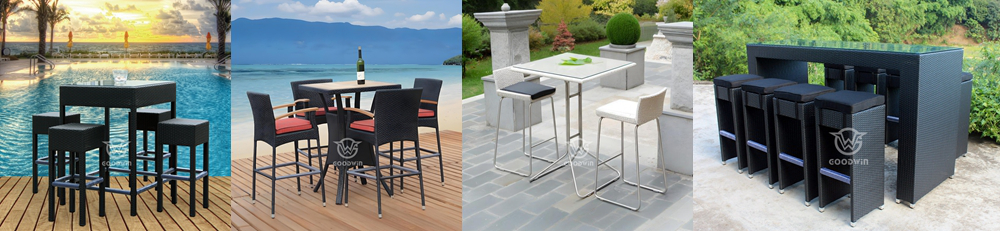
Start with your layout. Measure the patio, deck, or garden zone, and keep clear pathways around seating and dining areas. Compact spaces often work well with bistro sets or stackable chairs, while larger backyards can support sectionals, loungers, or full dining sets.
Many outdoor spaces now borrow indoor comfort: deeper seating, softer textiles, and coordinated accessories like rugs and side tables. Natural textures and neutral bases are easy to refresh with seasonal cushions or décor.
Comfortable, supportive seating
Materials suited to outdoor exposure
Textures that complement landscaping (wood, wicker-style weaves, stone-like surfaces)
Accent pieces that add personality without locking you into a trend
Color helps define mood and zones. Natural tones blend with greenery, while brighter accents create contrast and energy. A practical approach is to keep major pieces neutral and use cushions, umbrellas, or planters for color.
|
Influence |
Description |
|---|---|
|
Visual Cues |
Colors can guide attention and define outdoor zones. |
|
Harmonization |
Matching tones with natural surroundings creates a cohesive look. |
|
Emotional Impact |
Cool tones feel calm; warm tones feel lively and social. |
Timeless designs (clean lines, neutral frames, classic silhouettes) stay relevant and are easy to update. Trend-driven pieces can add personality, but work best as accents (pillows, side tables, planters) rather than the main investment pieces.
Basic maintenance keeps outdoor furniture looking better for longer. A few seasonal habits—cleaning, covers, and smart storage—often make the biggest difference.
Use this quick reference guide for common materials:
|
Material |
Cleaning Method |
Maintenance Tips |
|---|---|---|
|
Recycled Plastic Lumber (HDPE) |
Mild detergent + water, soft scrub, rinse with hose. |
Low maintenance; keeps appearance with regular rinsing. |
|
Aluminum |
Warm water + mild soap, rinse, towel dry. |
Avoid abrasive scrubbers to prevent scratches. |
|
Outdoor Cushions |
Mild soap + water, gentle scrub, rinse, air dry. |
Spot clean stains; deep clean before storage. |
|
Umbrellas |
Open fully, soft brush + mild soap, rinse well. |
Dry completely before closing to prevent mildew. |
|
Real Wood |
Mild soap solution + soft cloth, avoid soaking. |
Oil or seal after cleaning for moisture protection. |
|
Synthetic Wicker |
Soft brush for crevices, wipe with soapy water, rinse lightly. |
Use covers in heavy rain to reduce grime buildup. |
|
Wrought Iron |
Soapy water + sponge, rinse, dry thoroughly. |
Touch up chips to prevent rust; repaint if needed. |
Clean and dry items before covering or storing.
Use waterproof, UV-resistant covers for rain, snow, and sun exposure.
Store cushions in a dry, ventilated place to reduce mildew risk.
For minimal upkeep, consider recycled plastic lumber (HDPE), powder-coated aluminum, and UV-stable synthetic wicker. These materials resist fading, cracking, and rust with simple cleaning routines.
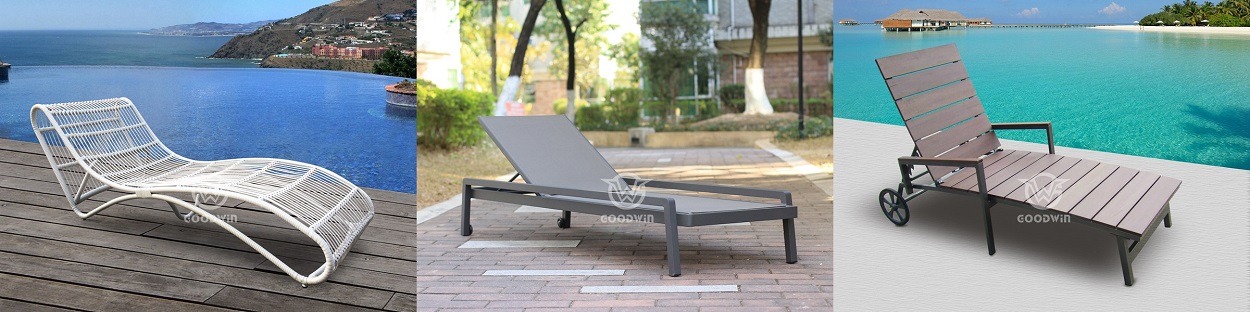
Price often reflects frame quality, fabric grade, and warranty coverage. Lower-cost sets can work for occasional use or covered patios, but heavy exposure typically shortens their lifespan. A helpful way to compare is “cost per year” based on durability and maintenance needs.
|
Consideration |
Higher-Quality Options |
Lower-Cost Options |
|---|---|---|
|
Durability |
Materials and finishes built for outdoor exposure |
More frequent replacements in harsh climates |
|
Materials |
Fade-resistant, moisture-resistant, rust-resistant |
May crack, rust, or fade faster |
|
Warranties |
Longer and more comprehensive |
Shorter coverage and narrower terms |
Good value is about construction and details, not just price. Before buying, check:
Clean welds and tight joints (no wobble or flexing)
Stainless hardware and rust-resistant fasteners
Protective feet on legs to reduce scratching and corrosion
Consistent finishes (no bubbles, uneven coating, or rough edges)
Cushion quality (dense foam, durable fabric, removable covers)
Premium furniture makes the most sense for frequent use, challenging climates, and high-exposure areas (full sun, rain, wind, or salty air). Strong frames, outdoor-grade fabrics, and reliable warranties help reduce maintenance and replacement costs.
Local stores make it easier to test comfort and inspect build quality. Online options provide wider selection and fast comparison. When buying online, look for detailed product specs, close-up photos of construction, and clear return policies.
A reliable supplier should provide clear specifications, consistent quality control, and responsive support. Use these criteria when comparing suppliers:
|
Criteria |
What to Check |
|---|---|
|
Product Specifications |
Frame material, coating, hardware type, fabric grade, foam density, and weight limits. |
|
Materials Used |
Outdoor-ready materials suited for your climate (UV, moisture, corrosion resistance). |
|
Quality Control |
Consistency across items; clean welds; stable assembly; reliable finishing. |
|
Warranty & Parts |
Clear warranty terms; availability of replacement cushions, slings, and hardware. |
|
Customer Support |
Fast response times, clear policies, and helpful guidance before and after purchase. |
|
Compliance & Safety |
Relevant quality and safety standards for your market. |
Reviews help confirm long-term durability and real-world comfort. Look for patterns (common issues, shipping damage, fading, rust, cushion flattening). A strong warranty and a simple claim process are key signs of a supplier that stands behind its products.
Limited warranties cover defects for a set period.
Extended warranties add extra protection beyond the standard period.
Parts support makes it easier to repair instead of replace (especially cushions and hardware).
High-quality outdoor furniture is defined by performance over time: how well it handles your climate, fits your space, and stays comfortable with regular use. Compare materials, construction, and support policies—and choose pieces you’ll enjoy season after season.
|
Factor |
Why It Matters |
|---|---|
|
Material Durability |
Stands up to weather and daily use |
|
Comfort and Ergonomics |
Makes outdoor time more enjoyable |
|
Style and Aesthetic |
Fits your home and outdoor layout |
|
Storage & Maintenance |
Preserves appearance with less effort |
|
Budget & Value |
Reduces replacement costs over time |
If you’re comparing options and want help matching materials to your climate and usage, Goodwin can share product specifications and recommend outdoor-ready configurations based on your needs.
For long-term durability, common top choices include teak, powder-coated aluminum, recycled plastic lumber (HDPE), and UV-stable synthetic wicker. The best option depends on your climate (humidity, sun exposure, wind, or salty air).
Aluminum is naturally rust-resistant and lighter to move. Steel is often heavier and more stable but needs strong coatings to prevent rust—especially in humid or coastal areas.
Recycled plastic lumber (HDPE) and powder-coated aluminum are widely considered low-maintenance because they resist moisture damage and don’t require frequent sealing or staining.
Use mild soap and water, scrub gently, rinse, and air dry completely. Check the care label first, and store cushions in a dry place during long rainy periods.
Many materials can stay outdoors, but covers and seasonal storage extend lifespan—especially for cushions and wood. In harsh winters or storms, storing items in a dry spot helps prevent damage.
Measure your space and keep clear walkways around seating and tables. A practical rule is to leave enough room to move chairs in and out and to walk comfortably between zones.


